UP TO 2.6 MILLION UK ADULTS AFFECTED BY HOARDING DISORDER
Hoarding disorder, long misunderstood, is becoming increasingly visible across the UK
Often dismissed as clutter or laziness, hoarding is a recognised mental health condition linked to anxiety, identity and control – and experts say it is becoming more visible across the UK.
Hoarding is one of the UK’s most misunderstood mental health conditions. Studies in psychiatric research estimate that hoarding disorder affects between 2% and 5% of adults or approximately 1 to 2.6 million people nationwide living with clinically significant hoarding behaviours.
Clinically recognised as Hoarding Disorder, it involves a persistent difficulty discarding possessions, regardless of their value, leading to clutter that compromises living spaces, safety and everyday functioning. Despite its scale, hoarding often remains hidden behind closed doors until it reaches crisis point.
NATIONAL OLD STUFF DAY
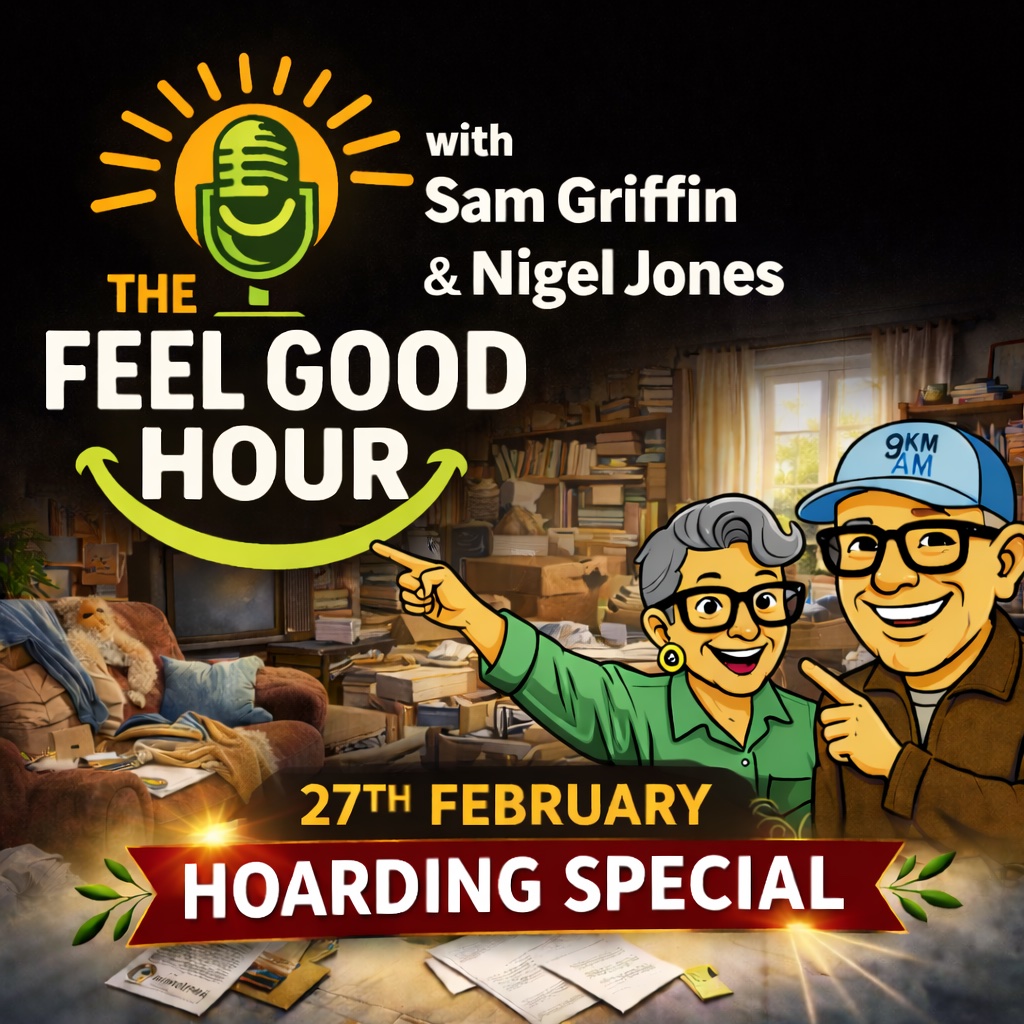
With National Old Stuff Day falling on Friday 27th February – a day traditionally celebrating vintage, nostalgic and long-kept belongings – this week’s Feel Good Hour on Radio Ashford, hosted by Sam Griffin and joined by life coach and hypnotherapist Nigel Jones, uses the moment to look more closely at our relationship with possessions.
While the day is often light-hearted, it raises important questions: Why do we keep things? What do our belongings represent emotionally? And when does ‘holding on’ stop being comforting and start becoming harmful?
Nigel says the problem is widely misunderstood. “People assume hoarding is about mess or laziness. In reality it’s about emotion, anxiety, identity and control. Possessions can feel like protection, which is why telling someone to ‘just tidy up’ usually makes things worse, not better.”
WHY HOARDING IS BECOMING MORE VISIBLE IN THE UK
Although hoarding behaviour has existed for generations, it is becoming more common – and in some cases more severe – due to a combination of modern pressures.
Contributing factors include an ageing population, increased social isolation, cost-of-living anxiety that fuels fear of waste, the ease of online shopping, smaller living spaces, and life events such as bereavement or trauma that intensify emotional attachment to possessions.
THE HIDDEN IMPACT ON HEALTH AND FAMILIES
Severe hoarding can pose serious risks. Cluttered homes increase fire hazards, block exits, raise the likelihood of falls, and contribute to poor hygiene and respiratory problems. Mentally, hoarding is linked to anxiety, depression, shame and social withdrawal.
Families and carers are often deeply affected too, experiencing emotional strain and safeguarding concerns – particularly where children or vulnerable adults are involved.
WHAT YOU CAN DO
Clutter exists on a spectrum. You don’t need to be living in crisis for it to affect your wellbeing.
Research shows that chaotic environments increase cognitive load and low-level stress activation. When your space feels unsettled, your nervous system often does too.
The answer is not a dramatic clear-out. It is small, contained action.
Start with one defined area — a kitchen surface, bedside table or desk — and clear it. Keep it clear for 24 hours.
Reduce digital noise: close unused tabs, unsubscribe from unnecessary emails, silence non-essential notifications.
Clear mental clutter: write down what is circling in your mind, then choose one item to complete within ten minutes — or consciously decide to defer it.
Small acts of order create psychological space. Psychological space increases capacity. Increased capacity reduces reactive coping.
You do not need perfection. You need one deliberate step.
TUNE IN THIS FRIDAY 27TH FEBRUARY
This week on The Feel Good Hour on Radio Ashford, Sam and Nigel Jones explore what hoarding really is, why it develops, who it affects, and – crucially – what genuinely helps. The programme focuses on understanding rather than judgement, and on small, compassionate steps rather than forced clear-outs.
We will be covering questions such as:
- When does “being a bit messy” or “liking to keep things” cross the line into hoarding?
- Is hoarding officially recognised as a mental health condition – and how is it classified medically?
- What is really going on underneath hoarding behaviour – what emotional need is being met?
- What impact can hoarding have on physical and mental health?
- How does hoarding affect partners, children, carers and others around the hoarder?
- What are some gentle first steps if decluttering feels panic-inducing?
Hosted on Radio Ashford 107.1 FM, The Feel Good Hour is designed to be accessible, practical and supportive – offering real-life tools listeners can try immediately, without pressure or perfection.
Tune in Friday 27th February, 12:30-1:30pm on Radio Ashford 107.1 FM. Listen online or tell your smart speaker: “Play Radio Ashford.”
For further information, contact nigel@9kmby9am.com or visit www.9kmby9am.com
#HoardingAwareness #MentalHealth #HiddenMentalHealth #Wellbeing #HealthAndWellbeing #BehaviourChange #Anxiety #IdentityAndBelonging #CostOfLiving #AgeingPopulation #NationalOldStuffDay #FeelGoodHour #RadioAshford #NigelJones #9kmby9am
Back to latest articles